


Machine first condition monitoring

Diagnose the machine.Read signals in context.

ConditionCore ties each reading to the correct asset, point, operating state and history. The ConditionCore team uses that record to review the leading hypothesis, show the evidence behind it and identify the next check.

ConditionCore

Selected ConditionCore customers

  • Bosch
  • MRF Tyres
  • Tata Steel
  • Usha Martin
  • Hero
  • Renault
  • Hyundai

Evidence with context

See the reasoning take shape.

Five condition-monitoring disciplines stay distinct, then align with operating context around the same machine.

  • Condition evidenceWaveforms, spectra, thermal images, ultrasonic recordings, motor-current signatures and oil-lab results
  • Machine historyRoute exports, work orders and maintenance history
  • Operating dataSpeed, load, process state and timestamps
Local observations
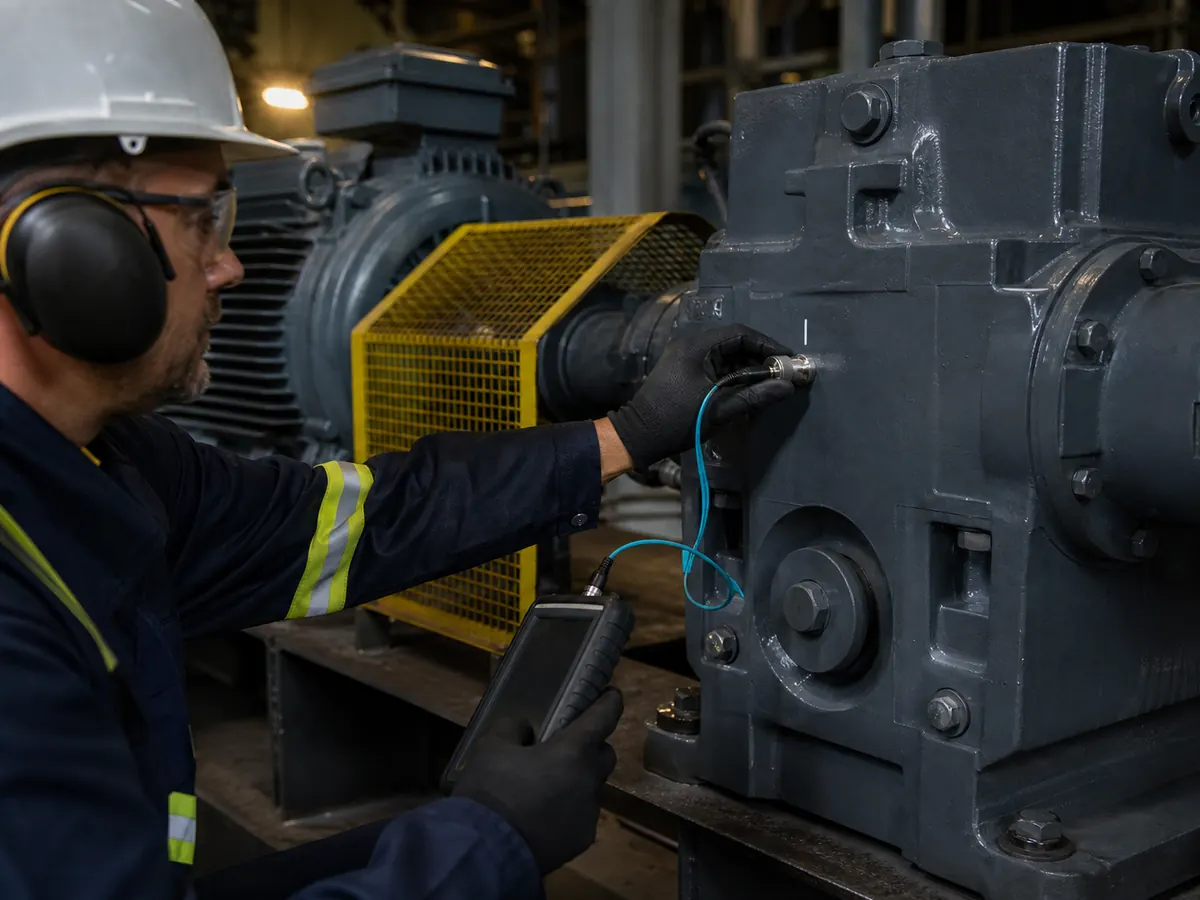
  • Vibration analysis
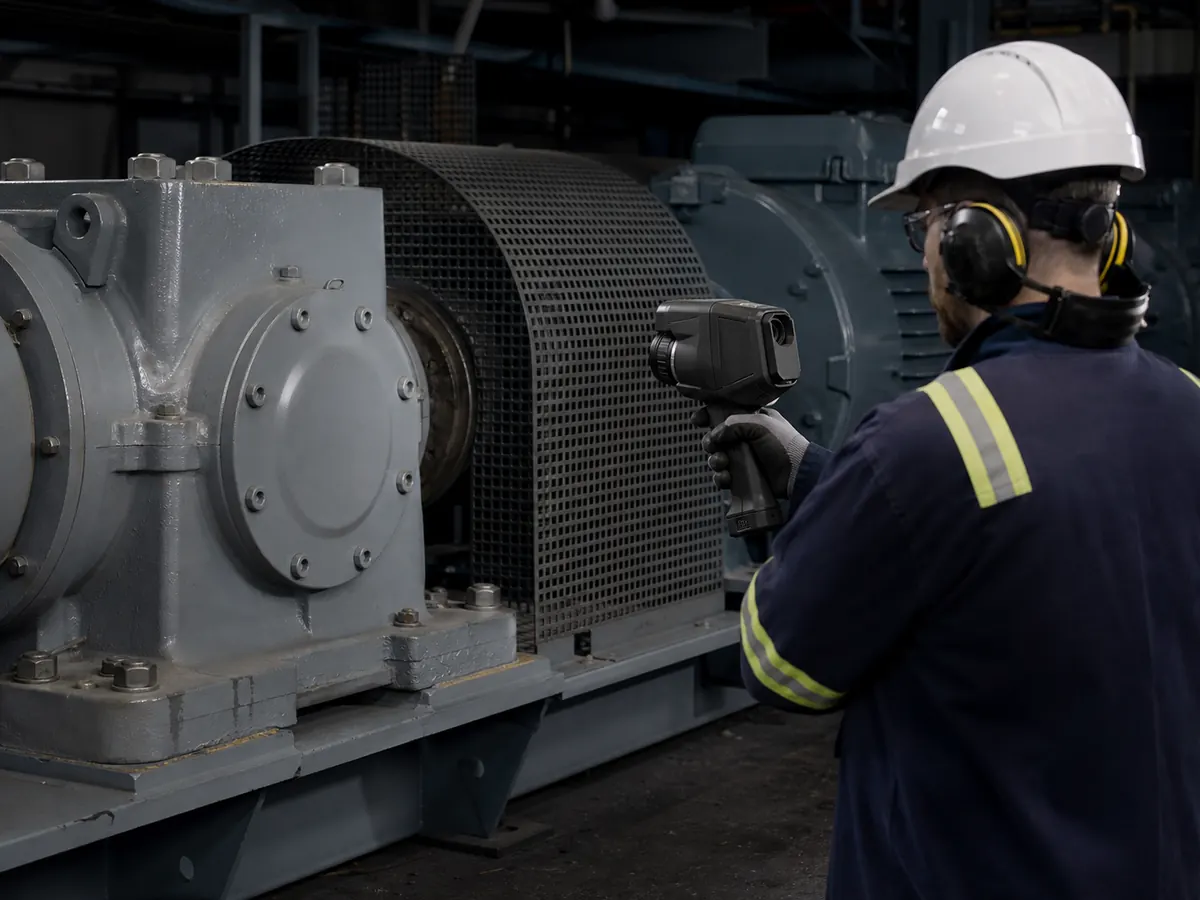
  • IR thermography
  • Ultrasonic monitoring
Electrical observation
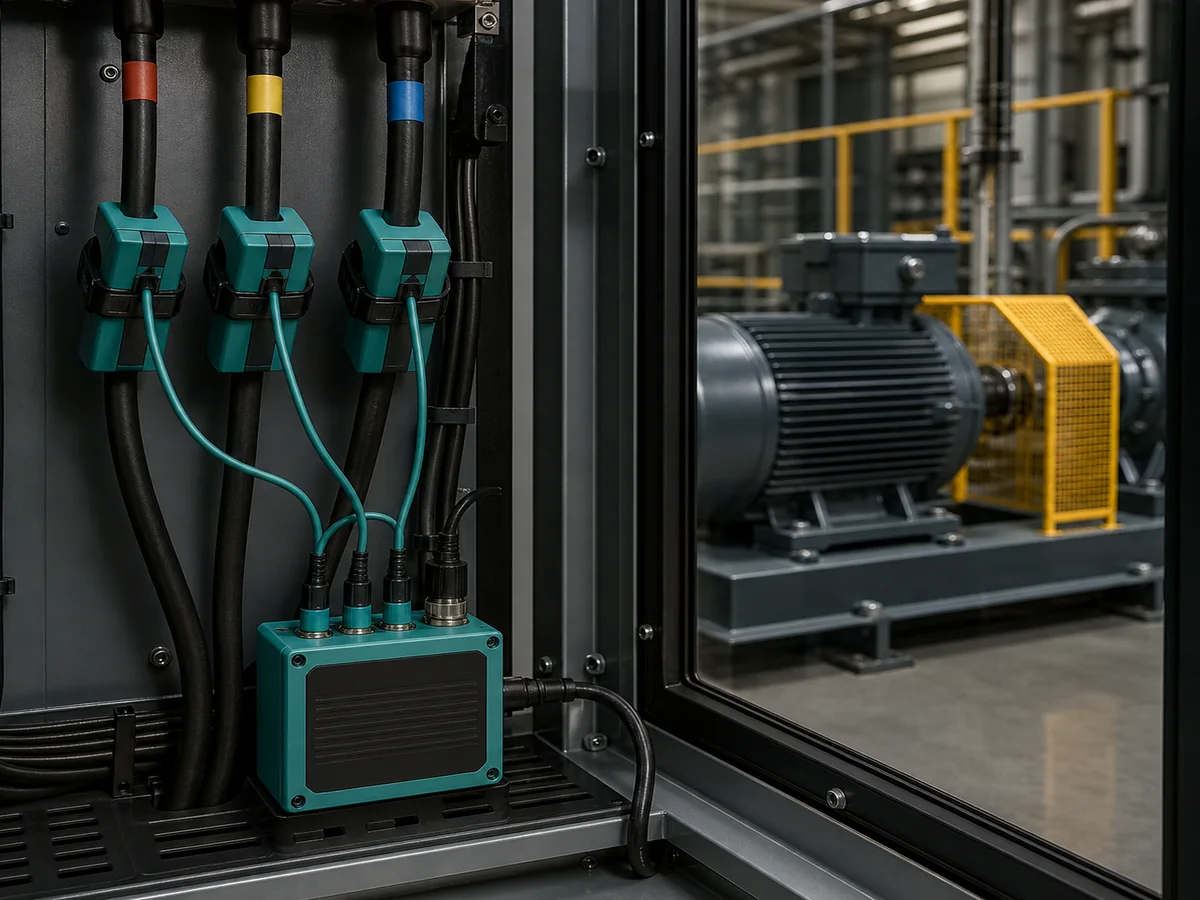
  • Motor Current Analysis (MCA)Motor feeder
System observation
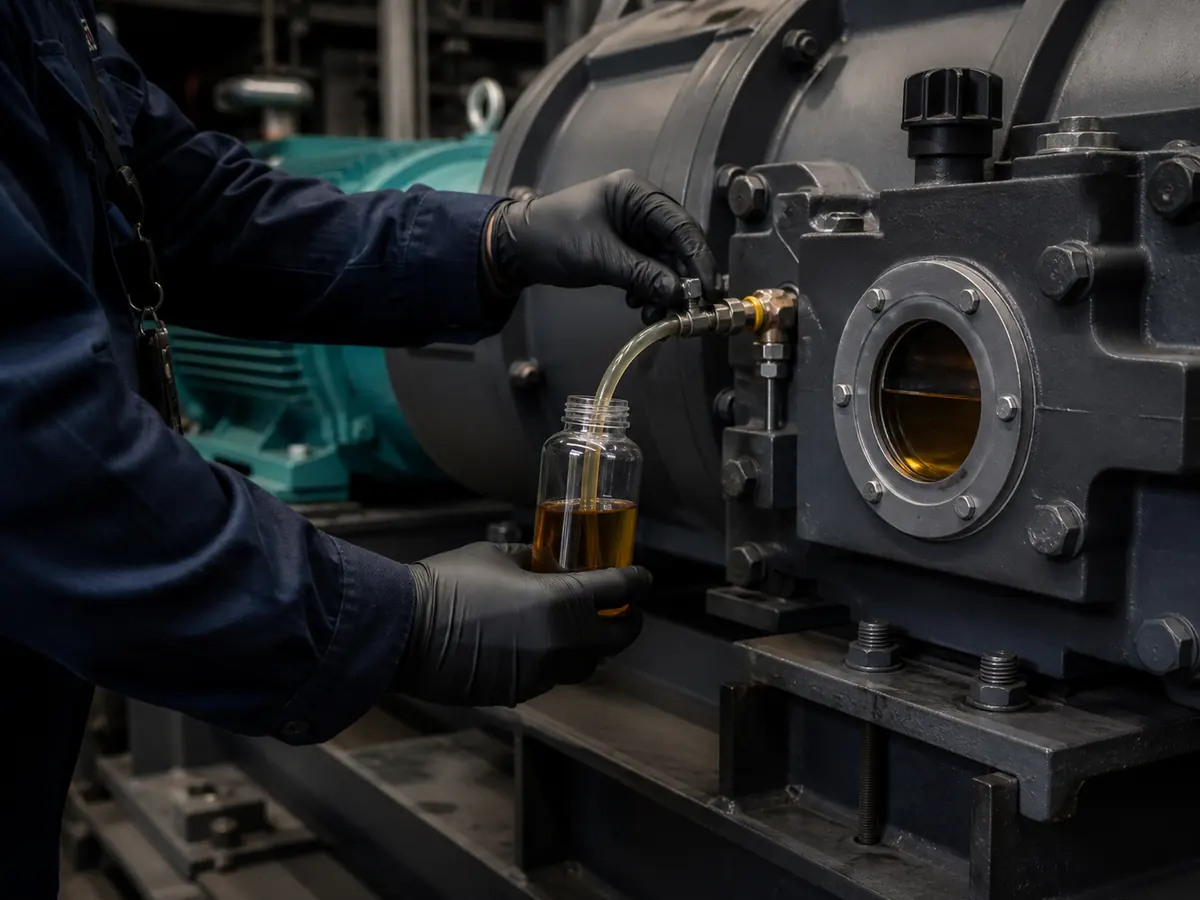
  • Oil analysisGearbox sump
Operating context
  • Speed and load
  • Maintenance history
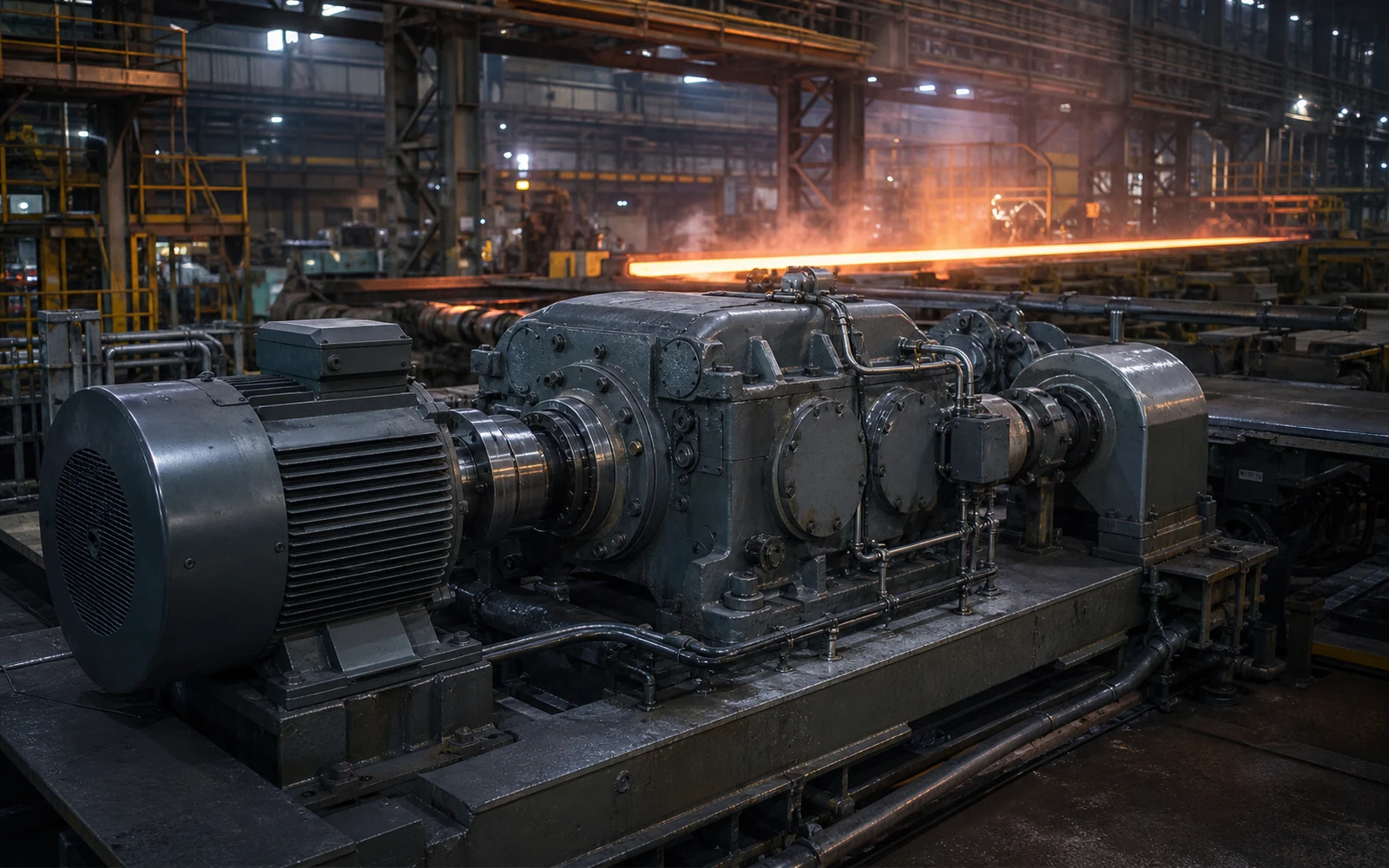
GBX-2Hot-strip mill drive
MotorGBX-2Mill stand
Mapped pointInput-shaft bearing
Location, operating state and history qualified together.

Illustrative integrated assessment

Assessment: Input-shaft bearing change is the leading hypothesis.

Evidence rationale: Vibration, IR thermography and ultrasonic monitoring provide local observations at GBX-2. Motor current provides drive-train evidence from the motor feeder without locating the gearbox bearing. Gearbox-sump oil provides system-level evidence without localizing the source. Speed, load and maintenance history qualify the comparison.

Next action: Verify lubrication delivery and repeat measurements at matched speed and load.

Field verification is required.
The working surface

A review should leave machine memory, not another isolated report.

ConditionCore records what arrived, what could be compared, what remained uncertain and what the field team checked next. Verified work and matched follow-up readings make the next review more useful without hiding the reasoning inside a score.

  • Evidence inRaw files and machine context
  • QualificationPoint, state, timing and source
  • Review outputHypothesis, alternatives and evidence gap
  • Field useNext check with comparison conditions
Representative machine recordReviewable

Hot-strip mill drive

  1. Motor
  2. Coupling
  3. Gearbox
  4. Mill stand
Mapped question
GBX-2 input-bearing change
Comparison basis
Matched speed, load and point location
Evidence window
Five disciplines, operating context and maintenance history
Decision record
Hypothesis, alternatives, evidence gap and next verification

Illustrative structure. It is not a customer record or diagnosis.

What you provide

Asset and component

Machine train, such as a motor, gearbox, pump, compressor, hydraulic unit or actuator, plus the exact point, region or sample location.

What the review returns

Observation

What changed and which qualified reference it was compared with.

What you provide

Acquisition

Source, units, axis or method, settings and the original file.

What the review returns

Evidence scope

What localizes, supports, challenges or only adds system context.

What you provide

Operating state

Speed, load, process mode, stabilization, timestamp and sample age.

What the review returns

Working hypotheses

The leading explanation, credible alternatives and unresolved gaps.

What you provide

Provenance

Sensor, route, image, lab report, historian or work order, with transformations traceable.

What the review returns

Next action

Verification, monitoring or inspection prioritized by safety, criticality and the useful-life objective.

ConditionCore works from agreed exports and records. Usable formats and transfer routes are confirmed during intake.

Possible review dispositions

Not every review should end in an intervention. The evidence determines the next useful level of action.

Monitor
The change is weak, transient or not yet repeatable.
Verify
Missing context blocks a defensible comparison.
Inspect
Qualified local evidence converges at one component.
Plan work
Verified condition and asset criticality justify intervention.

Machine and plant coverage

Built around the equipment, not the instrument.

Start with one critical asset or a connected train. Every observation stays tied to the component, measurement point and operating state that produced it.

Explore applications
Machine family

Rotating trains

Motors, couplings, gearboxes, bearings and driven equipment.

Decision question
Where is change beginning, and which mechanism still fits the complete train?
Evidence set
Vibration · IR thermography · ultrasonic · motor current · oil
Machine family

Fluid systems

Pumps, compressors, hydraulic power units, valves and actuators.

Decision question
Is the change mechanical, fluid-driven, process-linked or transferred from elsewhere?
Evidence set
Vibration · IR thermography · ultrasonic · fluid or oil evidence
Machine family

Process and material handling

Fans, blowers, mills, crushers, conveyors, rolls and production lines.

Decision question
Does the signal follow the component, the structure or the operating event?
Evidence set
Local measurements · process variables · event and work-order history
Plant contexts
  • Steel and metals
  • Cement and minerals
  • Power generation
  • Chemicals and fertilizers
  • Mining and material handling
  • Automotive and mobility

ConditionCore insights

Field notes on alarms, heat and integrated reviews.

Test a vibration alarm, qualify a hot bearing or compare evidence across five condition-monitoring methods.

View all insights
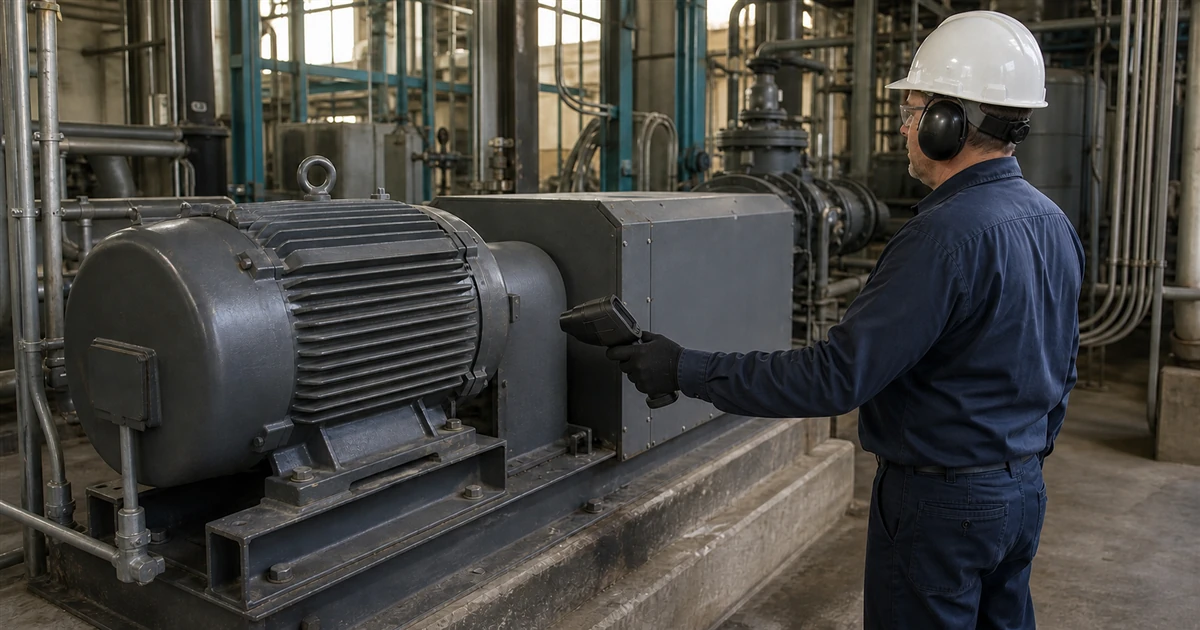
Illustrative technician inspecting a motor drive-end bearing housing from a safe position with a thermal camera

By Deepika Dhir · Thermography and lubrication · · 8 min read

A hot bearing is not a grease instruction

The hottest housing on the screen can trigger the grease gun. First check the thermal comparison, heat balance, delivered quantity and exit path.

Frequently asked

Questions reliability teams ask.

A concise view of the data, scope and engineering judgement behind machine-first condition monitoring.

What is machine condition monitoring?

Machine condition monitoring uses measurements and inspections to track asset health and detect meaningful change. Like a physician reviewing several tests for one patient, a machine-first review treats one signal as a symptom: component, operating and maintenance context determine what should be verified next.

How is condition monitoring different from predictive maintenance?

Condition monitoring establishes what is changing in an asset through observations and trends. Predictive maintenance uses that condition and operating evidence to anticipate likely needs, time work, manage risk and protect useful asset life. ConditionCore supports that decision process without claiming certainty or a remaining-life forecast from one alarm.

What faults can vibration analysis identify?

Vibration analysis can reveal patterns associated with unbalance, misalignment, looseness, resonance, rolling-element bearing defects and gear-mesh faults. The machine, measurement location and operating state still determine which interpretation is defensible.

How do oil analysis and vibration analysis work together?

Vibration can help localize changing mechanical behaviour at a documented point. Oil analysis can show lubricant condition, contamination and system-level wear trends. When their timing and machine context align, each can test the other’s leading hypothesis without pretending they measure the same thing.

Can existing sensors, handheld routes and oil-analysis PDFs be used?

A review can begin with customer-supplied vibration waveforms and spectra, route exports, historian data, radiometric thermal images, ultrasonic recordings, three-phase motor-current records and oil-lab reports. ConditionCore is designed to keep each input linked to its source and context; uncertain extracted values still require verification.

What do IR thermography and ultrasonic monitoring add?

IR thermography adds component-level temperature patterns when the view and operating conditions are controlled. Ultrasonic monitoring adds high-frequency friction and impact evidence when the instrument, gain, filter and measurement point are consistent.

What does motor current analysis add?

Online motor current signature analysis adds an electrical view of the motor and driven train. It can support rotor, air-gap, supply and load-related hypotheses when speed, slip, load and line or VFD state are retained. It usually cannot localize a specific gearbox component by itself.

First machine review

Start with the machine that is changing.

Share one changing asset and the files you already have. We will confirm what is usable, what remains uncertain and which next check is most valuable.

Request a machine review